
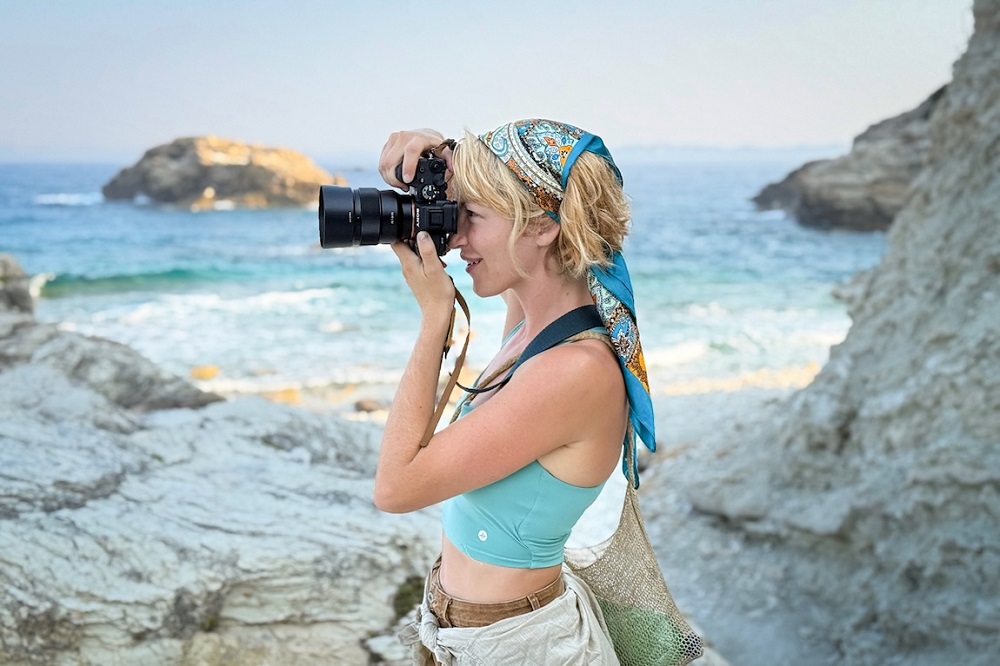
Capturing the essence of a journey requires a tool that balances portability with high-end performance. While modern smartphones are highly convenient, they often fall short when handling challenging lighting conditions, distant wildlife, or wide landscapes that require advanced optical design. Selecting the ideal travel camera involves analyzing how distinct form factors, sensor sizes, and control layouts align with your specific style of exploration.
Understanding Travel Camera Categories
The digital camera market offers several distinct architectures tailored to different priorities. Understanding these categories is the first step in narrowing down your choices.
Premium Compact Cameras
Premium compacts are designed for maximum portability without sacrificing image quality. Unlike standard point-and-shoot models from the past, modern premium compacts utilize larger one-inch sensors or even APS-C sensors. These cameras feature fixed lenses that often offer a versatile zoom range or a high-quality prime focal length. They are perfect for urban exploration, casual day trips, and situations where keeping a low profile is essential.
Mirrorless Interchangeable Lens Cameras
Mirrorless systems have largely superseded traditional digital single-lens reflex architectures for travel. By removing the internal mirror mechanism, manufacturers can build bodies and lenses that are significantly lighter and more compact. The primary advantage of a mirrorless camera is versatility. You can mount an ultra-wide lens for sweeping mountain vistas, switch to a fast prime lens for evening street photography, or attach a telephoto zoom for distant subjects.
Action and Pocket Gimbals
For travelers focused on rugged adventures, water sports, or highly dynamic video creation, dedicated action cameras or miniature motorized gimbal systems are the logical choice. These devices are built to withstand impacts, deep water submersion, and extreme temperatures, all while utilizing advanced digital stabilization to keep footage smooth.
Core Features to Evaluate Before Buying
When comparing specifications, it is easy to become overwhelmed by technical jargon. Focusing on a few core variables will help clarify which device fits your style of travel.
Sensor Size and Low-Light Performance
The physical size of a digital sensor determines how much light the camera can collect.
-
Full-Frame Sensors: These provide the absolute best image quality, dynamic range, and low-light capability, but they require larger, heavier lenses.
-
APS-C Sensors: This option strikes an ideal balance for most travelers, offering excellent resolution and noise control in a drastically smaller footprint.
-
One-Inch and Micro Four Thirds Sensors: These enable incredibly small camera bodies and lenses, making them perfect for lightweight packing, though they show noise sooner in low-light environments.
Autofocus and Subject Tracking
Modern autofocus systems utilize sophisticated tracking algorithms to keep moving subjects sharp. When traveling, you will encounter unpredictable elements like erratic wildlife, moving vehicles, or bustling market crowds. Look for systems that feature real-time eye and subject recognition, which allow you to focus entirely on composition rather than manually shifting focus points.
In-Body Image Stabilization
In-body image stabilization mechanically shifts the sensor to compensate for hand movement. This feature is invaluable for travel because it allows you to shoot handheld at slower shutter speeds when the sun goes down, reducing the need to carry a bulky tripod. It also ensures that handheld video footage remains smooth and watchable.
Build Quality and Weather Sealing
Travel environments can be harsh. Salty sea breezes, sudden rainstorms, and dusty desert trails can easily damage delicate electronics. Investing in a camera body with robust weather sealing provides peace of mind when weather conditions deteriorate.
Tailoring Your Gear to Your Travel Style
Every traveler has a unique objective, and no single camera configuration excels at every single task. Matching your specific workflow to the right hardware yields the best results.
The Urban Explorer and Street Photographer
If your adventures center around navigating historical cities, visiting museums, and capturing candid moments, your primary needs are discretion and speed. A heavy, conspicuous camera setup can change the dynamic of a scene or attract unwanted attention. For this style, a compact camera with quiet operation and a fast prime lens or a short zoom is ideal. This setup allows you to blend into the background and easily carry the camera all day in a small bag without neck strain.
The Wilderness and Landscape Trekker
For those who hike miles into national parks or scale mountain peaks, physical durability and high resolution are paramount. Landscape photography rewards sensors with high dynamic range, allowing the camera to preserve details in both deep shadows and bright skies. Because weight accumulates rapidly on long hikes, an APS-C or Micro Four Thirds mirrorless system paired with a weather-sealed travel zoom provides expansive reach and protection against the elements without overloading your backpack.
The Solo Vlogger and Content Creator
If your primary goal is documenting your journey through high-quality video and sharing it online, your checklist looks slightly different. You need a camera with a fully articulating flip-out screen so you can monitor your framing while speaking to the lens. High-quality internal microphones, external audio inputs, robust electronic stabilization, and the ability to record in advanced color profiles for post-production editing are critical factors for this style of travel.
Balancing Lenses and Portability
If you choose an interchangeable lens camera, remember that the body is only half of the equation. The lenses you pack define your photographic capabilities and determine the overall weight of your bag.
For general travel, a versatile zoom lens covering wide-angle to short-telephoto focal lengths is an excellent foundational tool. It minimizes the need to swap lenses in dusty environments and ensures you can react instantly to changing scenes. However, pairing that zoom with a single, small prime lens featuring a wide aperture is a smart secondary strategy. This combination gives you a lightweight, high-performance option for evening dining and indoor exploration where ambient light is minimal.
Frequently Asked Questions
Is it necessary to purchase a tripod for travel photography?
A tripod is not strictly mandatory for every traveler, especially with the advanced image stabilization built into modern cameras. However, if your itinerary includes long-exposure photography, capturing the night sky, smooth waterfalls, or self-portraits in remote areas, a lightweight carbon-fiber travel tripod is an excellent accessory to pack.
How do I safely manage and back up my images while traveling?
Relying on a single storage card is a significant risk. The best practice is to use a camera with dual memory card slots, allowing you to write duplicate files to both cards simultaneously. Additionally, transferring your daily imagery to a portable external solid-state drive or syncing files to a cloud service via your smartphone each evening provides an extra layer of security.
Can I charge my camera using a standard portable power bank?
Most modern cameras released in recent years support in-camera charging via a universal serial bus connection. This allows you to replenish the battery using the same power bank you use for your smartphone. It is vital to check your specific camera manual to ensure it supports power delivery standards before relying on this method in the field.
What is the advantage of shooting in RAW format over JPEG during a trip?
JPEG files are compressed by the camera, which discards a significant amount of data to create a smaller file size. RAW files capture all the uncompressed data from the sensor. This provides immense flexibility when editing your photos later, allowing you to rescue dark shadows, fix overexposed highlights, and precisely adjust white balance without degrading the image quality.
How do airline carry-on regulations affect how I pack my camera gear?
Lithium-ion camera batteries must always be placed in your carry-on luggage rather than checked baggage due to flight safety regulations. Because camera equipment is fragile and expensive, it is best to invest in a dedicated, padded camera backpack that fits comfortably underneath the airplane seat or in the overhead compartment.
Should I buy a protection filter for my travel camera lenses?
A clear ultraviolet or protector filter acts as a physical shield for the front glass element of your lens. In environments with blowing sand, salt spray, or gravel, a filter can scratch or pit without ruining an expensive lens. While a cheap filter can occasionally cause unwanted reflections, a high-quality multi-coated filter provides excellent peace of mind in rugged conditions.
