
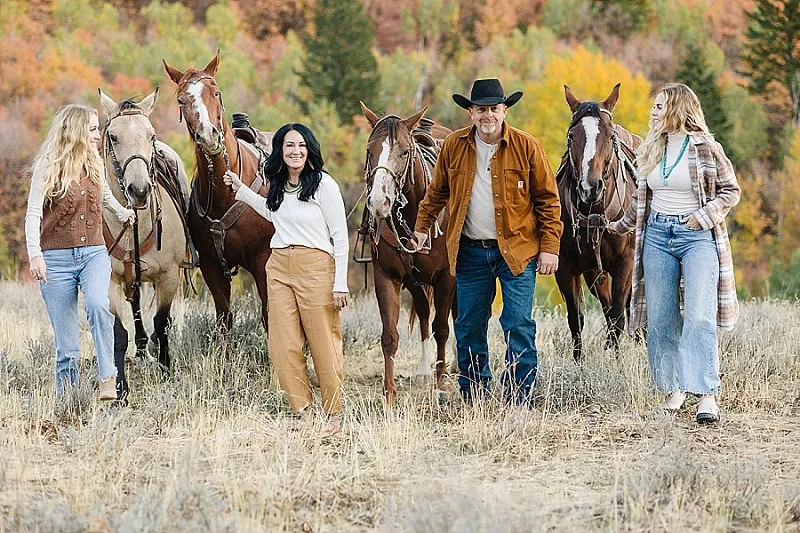
Capturing a moment with a horse brings a unique energy to family imagery. Horses are large, expressive, and inherently unpredictable, which can turn a routine portrait session into a complex production. For families looking to integrate a horse into their photography, the challenge often lies in finding a professional who understands the specific logistics and behavioral considerations required to make the session safe and successful.
Understanding the Unique Challenges of Equine Portraits
Working with animals introduces a layer of complexity that differs significantly from standard studio or outdoor sessions. A family portrait photographer experienced in this field must balance the technical requirements of lighting and composition with the safety needs of the animals and participants. A horse may react to camera flashes, reflectors, or the presence of unfamiliar equipment. Furthermore, the sheer scale of the animal requires careful positioning to ensure that the family members and the horse appear in proportion and that everyone is clearly visible within the frame.
Choosing a photographer who lacks experience in this specific niche can lead to frustration. You need someone who recognizes that the horse’s attention span is finite and that the animal’s body language serves as a guide for when to move and when to pause. A photographer who is comfortable navigating these variables can help keep the mood light and focused, which is essential for ensuring that the family’s expressions remain relaxed rather than anxious.
How the Process Generally Works
A professional photoshoot with a horse typically begins well before the first frame is captured. The process often involves a consultation to discuss the horse’s temperament and the family’s expectations. Not all horses are accustomed to being held in a stationary position while people pose around them, and this initial conversation allows the photographer to plan for potential adjustments.
During the session, the photographer will likely prioritize the comfort and behavior of the animal above all else. They might suggest specific locations where the ground is stable and the horse feels secure. The workflow generally moves at the pace of the horse, as rushing an animal often causes restlessness. You should expect the photographer to look for natural gaps in movement rather than attempting to force a pose. They will often use environmental cues—such as how the horse interacts with the family or the landscape—to create shots that feel authentic rather than rigid.
Key Factors That Shape the Outcome
The success of these portraits depends on several factors that extend beyond the camera settings. One primary factor is the environment. A familiar setting, such as the horse’s own stable or a private field, can lead to a more relaxed animal. If you are traveling to a new location, consider how the horse might respond to a change in routine.
Another crucial element is the level of coordination between the people and the animal. The photographer’s ability to communicate clearly with the family is as important as their technical skill. They need to provide simple, actionable instructions so that everyone knows where to stand and how to interact with the horse without causing distress. Additionally, the time of day often dictates the quality of the light, which is particularly relevant when working in wide-open fields or near structures where shadows might be long or intense. A knowledgeable photographer will be able to read the light and adapt their position to ensure the family’s faces are well-lit and the horse’s form is flattering.
Practical Ways to Approach a Photoshoot with a Horse
To ensure your session goes smoothly, start by preparing your family and the animal for the experience. If you are organizing a family portrait photographer session, communicate early and often about the specific goals you have in mind. If you want a formal look, ensure that the tack or grooming of the horse matches the aesthetic you have chosen. If you prefer a candid, rustic approach, allow for a bit more flexibility in how the family dresses and how the horse is handled.
Ask your potential photographer how they handle safety and what documentation they might share regarding their experience with large animals. A professional will typically be happy to explain their approach to animal behavior. Ask how they manage the horse’s focus and what techniques they use to encourage the animal to look toward the lens. Understanding these strategies will give you more confidence when the day arrives.
During the shoot, remain adaptable. If the horse is having a difficult time focusing, be prepared to shift your approach or take a short break. The best results often come from the unplanned moments when the family is interacting genuinely with the animal. Keep the session length reasonable to prevent fatigue for both the horse and the family.
Taking a sensible next step involves researching professionals who have a demonstrated interest in or experience with equine subjects. When reaching out, prioritize those who listen to your concerns regarding the animal’s behavior and who demonstrate a calm, methodical approach to the planning phase. By focusing on safety, realistic expectations, and clear communication, you can ensure that the time spent with your horse results in meaningful imagery that reflects your family’s connection. Taking the time to build this rapport with your photographer beforehand is the best way to secure a successful outcome.
