
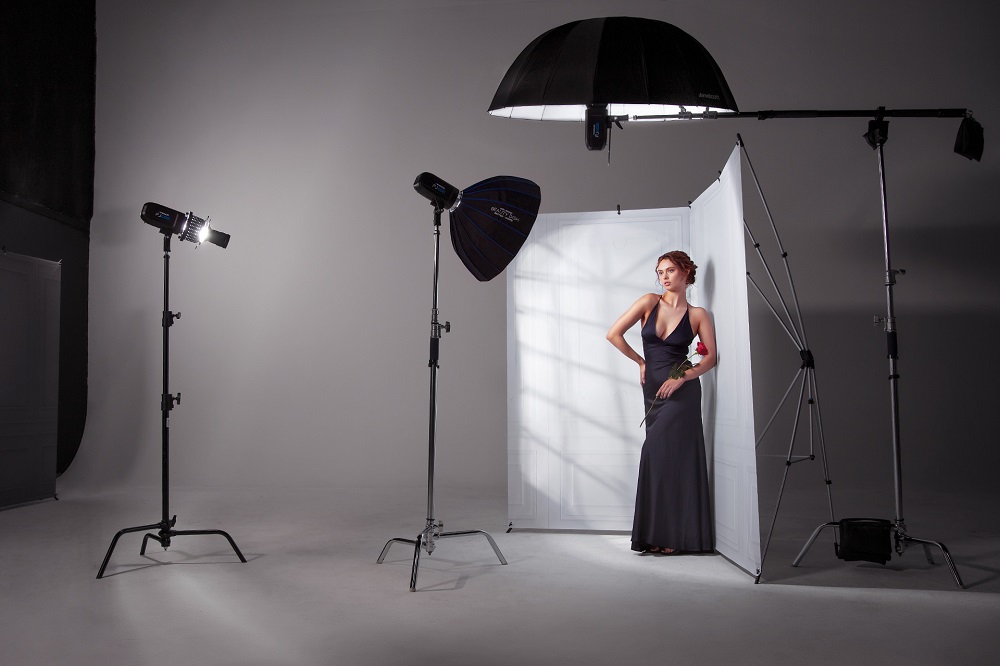
The background of a studio photograph plays an essential role in defining the mood, style, and professionalism of the final image. While lighting and subject posing are critical components of a successful shoot, the backdrop provides the structural canvas that ties all these elements together. A poorly chosen background can distract the viewer, introduce unwanted color casts, or make a high-end production look amateur. Conversely, the right background isolates the subject, enhances the overall color story, and streamlines the post-production workflow.
Selecting the ideal studio backdrop requires an understanding of different manufacturing materials, structural support systems, and the specific demands of varying photographic genres. By evaluating these technical and creative variables, photographers can build a versatile studio toolkit that elevates their commercial, portrait, or product imagery.
Evaluating Popular Backdrop Materials
Every material used in backdrop manufacturing has unique characteristics regarding light absorption, portability, durability, and cost. Understanding these distinctions allows you to select the right tool for your specific shooting environment.
Seamless Paper Backdrops
Seamless paper is an industry standard for commercial fashion, portraiture, and e-commerce product photography. Sold in heavy rolls of varying widths and lengths, it provides a perfectly smooth, non-reflective surface that eliminates any visible horizon line when swept smoothly onto the studio floor.
-
Advantages: It is highly affordable, available in hundreds of distinct colors, and provides a pristine look. If a section becomes dirty, torn, or scuffed by a model shoes, you can simply cut off the ruined portion and pull down a fresh section from the roll.
-
Disadvantages: Paper is heavy, susceptible to water damage, and difficult to transport without a large vehicle. It also requires a robust support system to prevent the center of the roll from sagging over time.
Muslin and Fabric Backdrops
Muslin is a lightweight, woven cotton fabric that has been a staple of portrait studios for decades. Fabric options also include polyester, velvet, and fleece blends.
-
Advantages: Fabric backdrops are incredibly durable, highly portable, and easy to store since they can be folded or stuffed into small bags. They can be washed, dyed, or steam-treated to remove wrinkles.
-
Disadvantages: Cheap fabrics can wrinkle severely, requiring significant prep time with a handheld steamer before a shoot. Some thin synthetic fabrics can also reflect light unpredictably, causing hot spots in your exposure.
Canvas and Hand-Painted Surfaces
Hand-painted canvas backdrops are favored by fine-art portrait and editorial photographers. These backgrounds feature rich, layered textures created with acrylic or oil paints applied to heavy-duty canvas material.
-
Advantages: They offer an unmatched depth, texture, and painterly quality that adds a luxurious, timeless feel to portraits. Each hand-painted canvas is unique, giving the photographer a distinct visual signature.
-
Disadvantages: Canvas backdrops are among the most expensive options on the market. They are stiff, heavy, must be stored on rigid rollers to prevent the paint from cracking, and are not easily cleaned if stained.
Collapsible Pop-Up Backdrops
For mobile photographers who work on location or in cramped spaces, collapsible pop-up backdrops offer a highly functional solution. These feature fabric stretched tightly over a flexible steel loop frame, similar to a large reflector.
-
Advantages: They spring open instantly, naturally pulling the fabric taut to eliminate wrinkles. They twist down into a small fraction of their open size, making them perfect for headshots in corporate offices or home studios.
-
Disadvantages: They are limited in physical size, usually topping out at five by seven feet, which makes them unsuitable for full-body portraits or multi-person group shots.
Matching Backdrops to Specific Photographic Genres
The nature of your subject matter should dictate the physical characteristics and color palette of your background choice.
Corporate Headshots and Professional Portraits
For business portraits and corporate headshots, the goal is clarity, professionalism, and minimalism. Neutral tones such as solid gray, deep navy blue, or clean white are preferred. A medium gray backdrop is exceptionally versatile, as changing the distance and intensity of your background light can alter the tone from a bright light gray to a deep charcoal or near-black without ever swapping the physical material.
Fine Art and Editorial Portraiture
Fine art portraiture rewards texture, mood, and depth. Hand-painted canvas or mottled muslin backdrops in rich earthy tones like olive green, deep brown, ochre, or midnight blue complement natural skin tones beautifully. These textured backgrounds interact dynamically with directional studio lighting, creating a subtle vignette effect that draws the viewer eye directly to the expressions of the subject.
E-Commerce and Product Photography
Commercial e-commerce product photography typically requires a pure, shadowless white background, often referred to as high-key photography. This standard ensures consistency across an online storefront and allows for clean digital extraction during post-production. White seamless paper or a dedicated plexiglass shooting table is ideal for this application, as they allow for lighting from beneath or behind to completely eliminate distracting shadows.
Color Theory and Selection Strategies
Choosing the color of your background involves more than personal preference; it requires a basic understanding of color interaction and contrast.
Complementary and Monochromatic Schemes
Using a background color that complements the subject clothing or branding elements creates visual harmony. For instance, a subject wearing a warm amber sweater will contrast beautifully against a rich blue backdrop. Alternatively, a monochromatic approach, placing a subject in a dark navy suit against a soft slate blue background, creates a sophisticated, cohesive aesthetic.
Managing Skin Tone Contrast
Care must be taken to ensure the backdrop color does not wash out or conflict with the subject skin tone. Individuals with very fair skin can appear ghostly against bright white backgrounds, while those with deep skin tones can blend into dark black backdrops if background separation lighting is not utilized correctly. Mid-tone backdrops, such as gray, tan, or muted olive, generally provide the safest and most flattering contrast for the widest variety of individuals.
Structural Support and Maintenance
A backdrop is only effective if it is mounted safely and maintained properly within the studio environment.
Support Systems
Photographers can choose between portable crossbar stands and permanent wall or ceiling mounts. Portable systems consist of two vertical light stands supporting a telescoping horizontal crossbar. While convenient for travel, they have a larger floor footprint and can be unstable if bumped. Permanent multi-roller systems mounted to a wall or ceiling utilize chains or motorized rollers to deploy different rolls of paper or canvas instantly, keeping the studio floor completely clear of trip hazards.
Keeping Materials Clean
To extend the life of your backgrounds, implement strict studio rules. When using seamless paper, require models to apply clean gaffer tape to the soles of their shoes to prevent black scuff marks. Keep a broom or small cordless vacuum nearby to clear dust from the sweep before rolling the material back up. For fabric options, always store them in airtight plastic bins to prevent dust accumulation and moisture absorption, which can lead to mildew.
Frequently Asked Questions
What is the difference between a high-key and a low-key studio backdrop setup?
A high-key setup utilizes bright, clean, and often pure white backdrops with multiple light sources to eliminate shadows, resulting in an upbeat, commercial aesthetic. A low-key setup uses dark gray, dark blue, or black backgrounds with minimal, highly directional lighting to emphasize deep shadows and dramatic contours, creating a mysterious or serious mood.
How do I eliminate wrinkles from a muslin backdrop without a steamer?
If a heavy-duty fabric steamer is unavailable, you can hang the muslin backdrop tightly across its support system using background tension clips on the sides to pull the fabric taut. Spraying the wrinkled areas lightly with a fine mist of clean water from a spray bottle will allow the natural weight of the fabric to pull the creases out as it dries.
What backdrop width is ideal for full-body group portraits?
For full-body shots of individuals or small groups of two to three people, a backdrop width of nine feet is the industry standard. This width provides ample room for the subjects to move without stepping off the edges of the background frame, and it allows the photographer to use wider lenses without capturing the studio walls.
Why do some colored backdrops look different in final images than they do in person?
This phenomenon is usually caused by light reflection and color spill. If a backdrop is placed too close to the subject and hit with powerful strobe lights, the background color can bounce forward onto the subject skin, hair, or clothing. Maintaining a distance of at least six feet between the subject and the backdrop minimizes this color contamination.
Can a green screen backdrop be used for standard portrait photography?
While a chroma key green backdrop is excellent for digital video compositing and special effects extraction, it is generally poor for standard portraiture. The vibrant green color reflects a harsh green cast onto the subject edges and hair lines, making it incredibly difficult to correct during the photo editing process without leaving unnatural borders.
How do I prevent a seamless paper roll from sagging in the middle over time?
When stored horizontally on a standard support bar, gravity will eventually cause the heavy cardboard core of a paper roll to bow down in the center, creating permanent ripples in the paper. To prevent this, always store your seamless paper rolls vertically in a dry closet when they are not in active use on a supported multi-roller system.
