
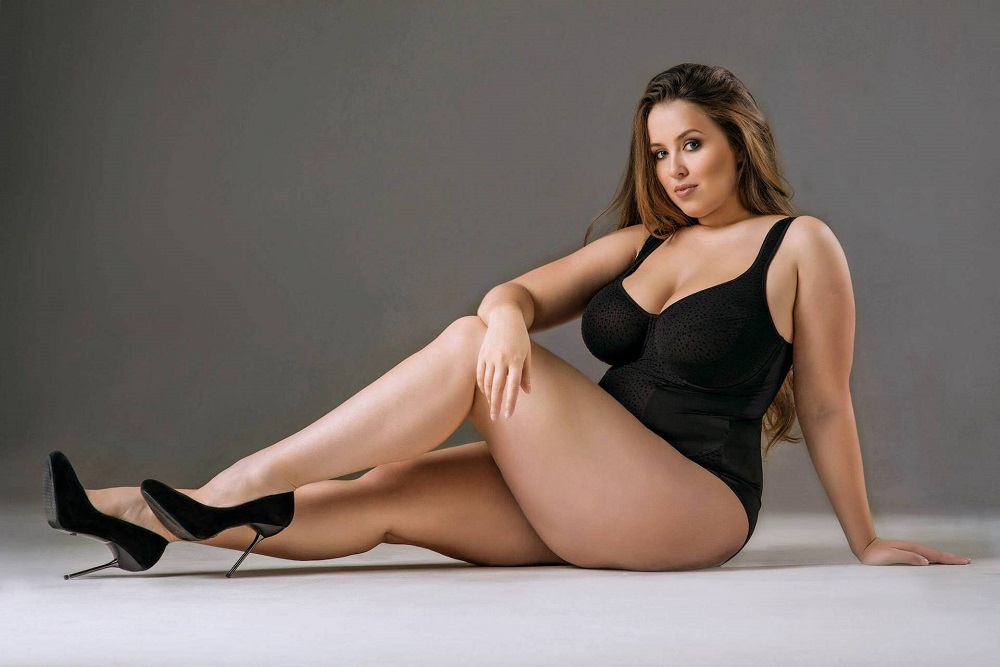
The relationship between a model and a professional photographer is one of the most vital partnerships in the fashion, commercial, and advertising industries. While a model brings unique physical attributes, expressions, and movement to a set, it is the professional photographer who translates those elements into a compelling visual asset. In an era where digital content is produced at a rapid pace, the distinction between amateur snapshots and high-end imagery remains the defining factor in a model’s career progression.
Professional photography does not merely document a model’s appearance; it shapes their identity, establishes their marketability, and communicates a distinct brand story to casting directors and modeling agencies. Understanding the multifaceted role of professional photography is essential for anyone looking to navigate the competitive landscape of the modeling industry.
Building and Refining the Model Portfolio
A model’s portfolio, often referred to in the industry as a book, serves as their professional resume. It is the primary tool used by talent agents and corporate clients to evaluate whether a model possesses the versatility required for a specific campaign.
Establishing the Industry Standard
Amateur or casual photographs taken on mobile devices rarely suffice when presenting talent to top-tier agencies. Professional photographers understand the precise technical standards required by the industry, including appropriate framing, color accuracy, and file formatting. A portfolio curated with professional imagery immediately signals that a model is serious about their career and understands industry expectations.
Demonstrating Versatility Through Test Shoots
A crucial component of portfolio development is the test shoot, an ongoing collaborative effort between models and photographers to experiment with new concepts. A single test shoot can yield a diverse range of images, showcasing the model’s ability to transition from raw, minimal digital lookbooks to highly stylized commercial concepts. Professional photographers use distinct lighting patterns, background choices, and creative directions to reveal different facets of a model’s personality and physical capability.
Technical Mastery and Creative Direction
The technical expertise of a professional photographer directly influences how a model’s features are presented. Without proper technical execution, even the most experienced model cannot achieve the desired impact in a final print or digital layout.
Manipulating Light and Shadow
Light is the foundational tool of photography. Professional photographers spend years mastering how different light sources affect facial structure, skin texture, and clothing fabric.
-
Hard Light: This technique creates sharp, defined shadows and high contrast, which photographers often use to highlight strong bone structure or create dramatic, high-fashion editorials.
-
Soft Light: This approach diffuses shadows and minimizes imperfections, making it the preferred choice for beauty, skincare, and commercial catalog campaigns.
-
Studio vs. Location Lighting: Professional photographers know how to control artificial strobe lights in a studio setting or balance natural sunlight with reflectors when shooting on location, ensuring the model is always illuminated perfectly.
Directing the Frame and Composition
A professional photographer acts as a director on set, guiding the model’s posing, angles, and micro-expressions. Through the deliberate choice of camera lenses, camera heights, and compositions, the photographer can dramatically alter the perception of the model’s height, symmetry, and proportions. This guidance helps developing models learn how their bodies translate on camera, turning a simple pose into a powerful narrative statement.
The Intersection of Commerce and Fashion
Modeling is ultimately a commercial enterprise designed to sell a product, a lifestyle, or an aspiration. Professional photography bridges the gap between artistic expression and commercial necessity.
Translating the Brand Vision
When hired for a commercial campaign, the photographer is tasked with executing a specific brief provided by a brand’s creative director. The photographer must ensure that the model’s performance aligns seamlessly with the brand’s identity. Whether the goal is to convey luxury, athletic endurance, or casual everyday comfort, the professional photographer uses their equipment and creative instinct to capture the exact split-second moment that embodies that specific message.
Highlighting Fabric, Fit, and Detail
In fashion photography, the garment is often the true subject of the image, and the model is the vehicle used to showcase it. Professional photographers possess a deep understanding of textiles and how they interact with motion and light. They ensure that the texture of a luxury wool coat, the drape of a silk gown, or the precise details of a delicate piece of jewelry are clearly visible and appealing to consumers, driving commercial sales for the client.
Navigating the Collaborative Dynamic On Set
A successful photoshoot is a synchronized effort involving multiple creative professionals, with the photographer acting as the central anchor of the production.
Communication and Trust
The dynamic between the photographer and the model requires mutual trust and open communication. Walking onto a set can be an intimidating experience, especially for newer models. A professional photographer fosters a comfortable, safe, and professional environment that allows the model to take creative risks without fear of judgment. This collaborative atmosphere is what allows for the capture of raw, authentic, and emotionally resonant images.
Coordinating the Creative Team
Beyond working with the model, the photographer coordinates with wardrobe stylists, makeup artists, and hair stylists to ensure cohesive visual output. The photographer understands how specific makeup textures react to certain studio strobes or how a specific hair styling choice will look against a chosen background. This holistic view ensures that every element of the production works in harmony to elevate the final image.
Post-Production and Image Longevity
The role of the professional photographer extends long after the physical shoot concludes. The selection and editing process are where the final polished product is truly realized.
The Nuance of Professional Retouching
High-end modeling photography requires a highly sophisticated approach to retouching. Unlike generic automated digital filters that erase skin texture and distort facial features, professional retouching preserves the natural authenticity of the model while removing temporary distractions. This includes color-correcting skin tones, cleaning up stray hairs, removing lint from garments, and balancing overall exposure. The goal is to create a flawless image that still looks completely human and realistic.
Adapting to Modern Media Formats
Today’s modeling images must exist across an array of platforms, from giant print billboards to vertical mobile smartphone feeds. Professional photographers capture images with these diverse outputs in mind, framing shots to allow for different aspect ratios and crop guidelines without sacrificing the composition or cutting off the model’s posture.
Frequently Asked Questions
What is a comp card, and how does photography play a role in creating it?
A comp card, or composite card, functions as a model’s business card for quick casting reference. It typically features one large headshot on the front and three to four diverse images on the back, along with the model’s physical measurements and agency contact details. Professional photography is vital here, as these few images must represent the model’s absolute best work and showcase a wide range of looks on a single printed or digital sheet.
How do editorial photography and commercial photography differ for a model?
Editorial photography is story-driven and highly artistic, often published in fashion magazines to showcase trends, avant-garde styles, and creative concepts where the model adopts a dramatic persona. Commercial photography is product-driven, focusing on advertisements, catalogs, and mass-market campaigns where the model needs to look approachable, relatable, and appealing to general consumers to help sell a product or service.
What are model digitals or polars, and do they require professional lighting?
Model digitals, historically called polaroids, are simple, unedited photographs that agencies use to see a model’s natural state without makeup or styling. While they should look clean and organized, they do not require complex professional studio lighting. They are typically shot in simple form-fitting clothing against a plain white wall using natural daylight to show the model’s current hair length, skin condition, and physical proportions.
Why do modeling agencies prefer specialized fashion photographers over general portrait photographers?
Fashion photographers possess specialized knowledge regarding how to capture movement, how garments should fit, and what current trends modeling scouts are looking for in the industry. General portrait photographers often focus purely on traditional smiling facial portraits, whereas a fashion photographer understands how to shoot full-body angles, interpret creative concepts, and highlight the commercial value of a clothing line or accessory.
How should a model prepare before working with a professional photographer on a shoot?
A model should research the photographer’s portfolio beforehand to understand their specific shooting style and visual aesthetic. Practicing poses and facial expressions in a mirror to see how different angles look is highly beneficial. Additionally, getting proper rest, staying hydrated for healthy skin, and arriving on set with clean hair and a bare face ensures the creative team can work efficiently.
What does the term TFP mean in modeling photography collaborations?
TFP stands for Time for Print or Time for Portfolio. It is a collaborative arrangement where both the photographer and the model trade their time and skills without direct financial compensation. Both parties walk away with high-quality images to use for their respective portfolios. It is an excellent way for emerging models and photographers to build experience and content together.
