
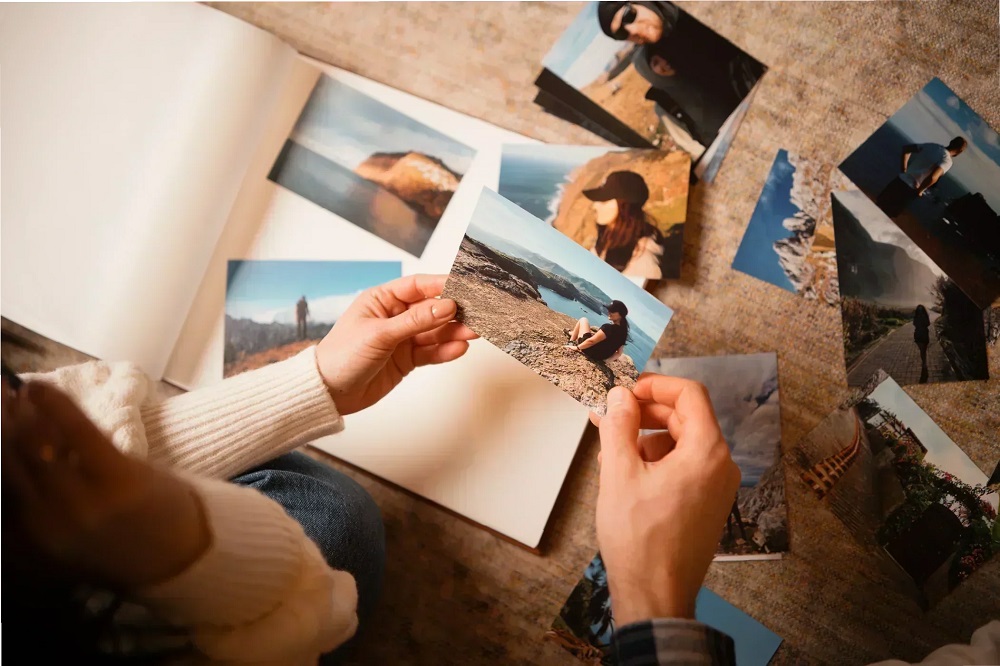
The shift from physical film to digital photography has made it incredibly easy to capture every moment of our lives. However, this convenience often leads to thousands of images sitting forgotten in cloud storage or smartphone galleries. Transforming these scattered digital files into a curated digital photo album is one of the most effective ways to preserve, celebrate, and share your personal history.
Designing an impactful digital album requires more than just uploading random snapshots. It demands a deliberate approach to organization, visual storytelling, and design aesthetics. By understanding how to select, edit, and arrange your images, you can create a dynamic digital asset that tells a compelling story for generations to come.
Establishing a Clear Visual Narrative
Every successful photo album benefits from a structural theme. Before diving into design tools, take time to define the core purpose of the collection.
Choosing a Theme or Concept
A theme provides a framework for your layout decisions. Common themes include chronological travelogues, annual family yearbooks, milestone celebrations like weddings or graduations, and deep-dive projects focusing on a single subject, such as the growth of a child or a home renovation. Defining this focus prevents the album from feeling cluttered or disjointed.
The Art of Selection and Culling
The greatest threat to a compelling album is repetition. When viewers see five nearly identical shots of the same landscape or group pose, engagement drops. The process of culling requires discipline. Aim to select the single best image from a series. Look for expressions that feel authentic, compositions that draw the eye, and lighting that evokes a mood. Remember that empty space and environmental shots, like a close-up of a dinner table or a wide view of a city street, are crucial for setting the scene between portrait shots.
Preparing Your Media for Design
Once you have narrowed down your selection, preparing the files ensures consistency across the final product.
Organizing and Labeling Files
Before importing photos into an album builder, organize them into labeled folders on your computer. Sorting images chronologically or by specific event chapters makes the layout phase significantly more efficient. This is also the ideal time to ensure your images meet resolution standards, as highly compressed or low-resolution files will look blurry or pixelated on high-definition screens.
Applying Consistent Editing Profiles
Digital albums look most cohesive when the images share a similar visual tone. You do not need to be a professional editor to achieve this. Applying a consistent white balance, adjusting exposure so shadows are not completely black, and ensuring colors look natural will unify photos taken across different days or under varying lighting conditions. If you prefer a vintage or stylized appearance, apply the same subtle filter or preset across the entire collection rather than changing styles from page to page.
Core Design Principles for Digital Layouts
Designing for a digital interface, whether it will be viewed on a tablet, a computer monitor, or a television screen, requires careful attention to balance and white space.
Embracing Minimalis and White Space
One of the most common mistakes in amateur album creation is overcrowding the page. Giving your photos room to breathe elevates the entire design. Utilize blank space, often called negative space, to direct the viewer’s focus. A single, powerful image placed on a clean background often carries far more emotional weight than a busy collage of six smaller photos.
Establishing a Visual Hierarchy
Visual hierarchy guides the viewer through the story in a specific order. You can establish this by varying the sizes of your images.
-
Hero Images: Dedicate a full page or a dominant section of the layout to your absolute best photograph. This acts as the anchor for the spread.
-
Supporting Images: Place smaller, detailed shots around the hero image to provide context, narrative depth, and detail.
Maintaining Consistent Typography
If you decide to add text, such as dates, locations, or brief anecdotes, simplicity should be your guiding principle. Stick to one or two classic, readable fonts throughout the entire album. Use a clean sans-serif font for a modern look, or a elegant serif font for a traditional feel. Ensure the text color contrasts cleanly with the background so viewers do not have to strain to read your commentary.
Incorporating Multimedia and Interactive Features
Unlike traditional paper books, digital photo albums offer unique interactive capabilities that can bring your memories to life in a completely different way.
Integrating Video and Audio
Many modern digital album platforms allow creators to embed short video clips directly into the layout. Imagine a wedding album where clicking a photo plays a five-second clip of the couple laughing, or a vacation album featuring the ambient sound of ocean waves. This multimedia approach transforms a static viewing experience into an immersive journey.
Utilizing Smart Hyperlinks and Maps
For travel or historical albums, incorporating interactive maps can add immense value. You can include small digital pins that link to the precise geographical coordinates where a photo was taken. This adds an educational and contextual layer to your personal archives, helping viewers trace your exact footsteps.
Distributing and Safeguarding Your Work
A digital album is only useful if it is accessible and protected against technology failures.
Exporting and Sharing Options
When your design is complete, consider how your audience will interact with it. High-resolution PDF files are excellent for private viewing and high-quality sharing. Interactive web links or dedicated cloud gallery links allow extended family members to scroll through the album on their mobile devices without downloading massive files.
Establishing a Redundant Backup System
Digital files are inherently vulnerable to software corruption, hardware failure, and accidental deletion. To ensure your hard work survives long-term, adhere to a strict backup strategy. Store the master album file on your local computer, copy it to an external solid-state drive, and upload a duplicate version to a secure cloud storage provider.
Frequently Asked Questions
What file format is ideal for saving a completed digital photo album?
For universal compatibility across different operating systems and devices, the PDF format is widely recommended for static layouts. If your album contains interactive elements like embedded video, animations, or audio clips, saving it as an EPUB file or publishing it via a dedicated HTML5 web link ensures all multimedia features function correctly.
How can I scan old physical prints to include them in a digital album?
To achieve the best results, use a flatbed scanner set to a minimum resolution of 300 DPI for standard viewing, or 600 DPI if you plan to enlarge or crop the image. Ensure the scanner glass is completely free of dust and fingerprints. If a flatbed scanner is unavailable, high-quality smartphone scanning applications can work well, provided you capture the image in bright, indirect natural light to prevent glare.
How long should an average digital photo album be to keep viewers engaged?
For a standard event or vacation, an album consisting of 30 to 50 pages is generally optimal. This length allows you to tell a complete, detailed story without overwhelming the audience. For comprehensive family yearbooks, the count can extend higher, but it remains critical to prioritize image quality over raw quantity.
Should I choose a dark or a light background for my digital album layout?
Light backgrounds, such as crisp white, light gray, or cream, offer a clean, editorial look that mimics high-end photography books. Dark backgrounds, like deep charcoal or black, work exceptionally well for night photography, concert images, or high-contrast dramatic portraits, as they make the vibrant colors pop off the screen.
Is it better to design an album in a landscape or portrait orientation?
Because most digital screens, including laptops, tablets, and televisions, are oriented horizontally, a landscape orientation provides the most immersive viewing experience for digital-only albums. Portrait orientation is best reserved if your primary goal is to eventually print the digital file into a traditional physical book.
How do I handle photos taken by different devices with varying qualities?
To blend lower-resolution smartphone photos with high-end camera images, avoid stretching the lower-quality photos into large hero layouts. Instead, place smaller device images together in a clean, multi-photo grid template. This approach masks resolution differences and maintains a professional look throughout the album.
